
Categories
Real Estate Tips, Real Estate Education, Home Buying, First-Time Home BuyersPublished June 24, 2026
10 Things to Check Before Making an Offer on a Home


Buying a home is one of the largest financial decisions you'll ever make. While emotions often run high when you find "the one," taking a few extra steps before submitting an offer can save you thousands of dollars and help you avoid surprises during the contract period.
Here are 10 things I recommend every buyer check before making an offer.
1. Have Your Agent Contact the Listing Agent First
Before your showing, have your buyer's agent reach out to the listing agent.
Questions to ask:
• Are there any offers already on the table?
• Is the seller expecting multiple offers?
• Is there an offer deadline?
• Are there any known issues buyers should be aware of? Is there anything the sellers would like buyers to know about the home that may not be obvious during a showing?
Understanding the seller's situation helps set expectations and determines how quickly you need to move.

2. Run the Monthly Payment Scenarios
Many buyers focus on purchase price when they should be focusing on monthly payment.
Before writing an offer, send the property information to your lender and ask them to run multiple scenarios:
• Full-price offer
• Offer with seller concessions
• Interest rate buydown options
• Different down payment amounts
Make sure the payment includes:
• Principal and interest
• Property taxes
• Homeowners insurance
• HOA dues (if applicable)
A seller-paid rate buydown can sometimes reduce your monthly payment more than negotiating a lower purchase price.
3. Confirm Your Financing Works for the Property
Not every property qualifies for every loan program.
Before making an offer, verify:
• FHA eligibility
• VA eligibility
• Conventional financing requirements
• Condo financing restrictions
• HOA reserve requirements
Many buyers don't realize that underfunded HOA reserves can affect financing options. Some communities may require higher down payments if reserve funding is insufficient.
Requesting HOA documents before submitting an offer can uncover these issues early and prevent you from spending money on inspections and appraisals only to discover the financing won't work.
4. Check Permit History
County and city permit websites are an incredible resource.
Permit records can often reveal when:
• The roof was replaced
• Electrical work was completed
• Sewer lines were repaired
• Plumbing systems were updated
• HVAC equipment was installed
If permits show the roof was installed 15 years ago, you may want a roofing contractor present during inspections. Knowing these details upfront allows you to build a smarter offer strategy.
5. Check the Age of Major Systems
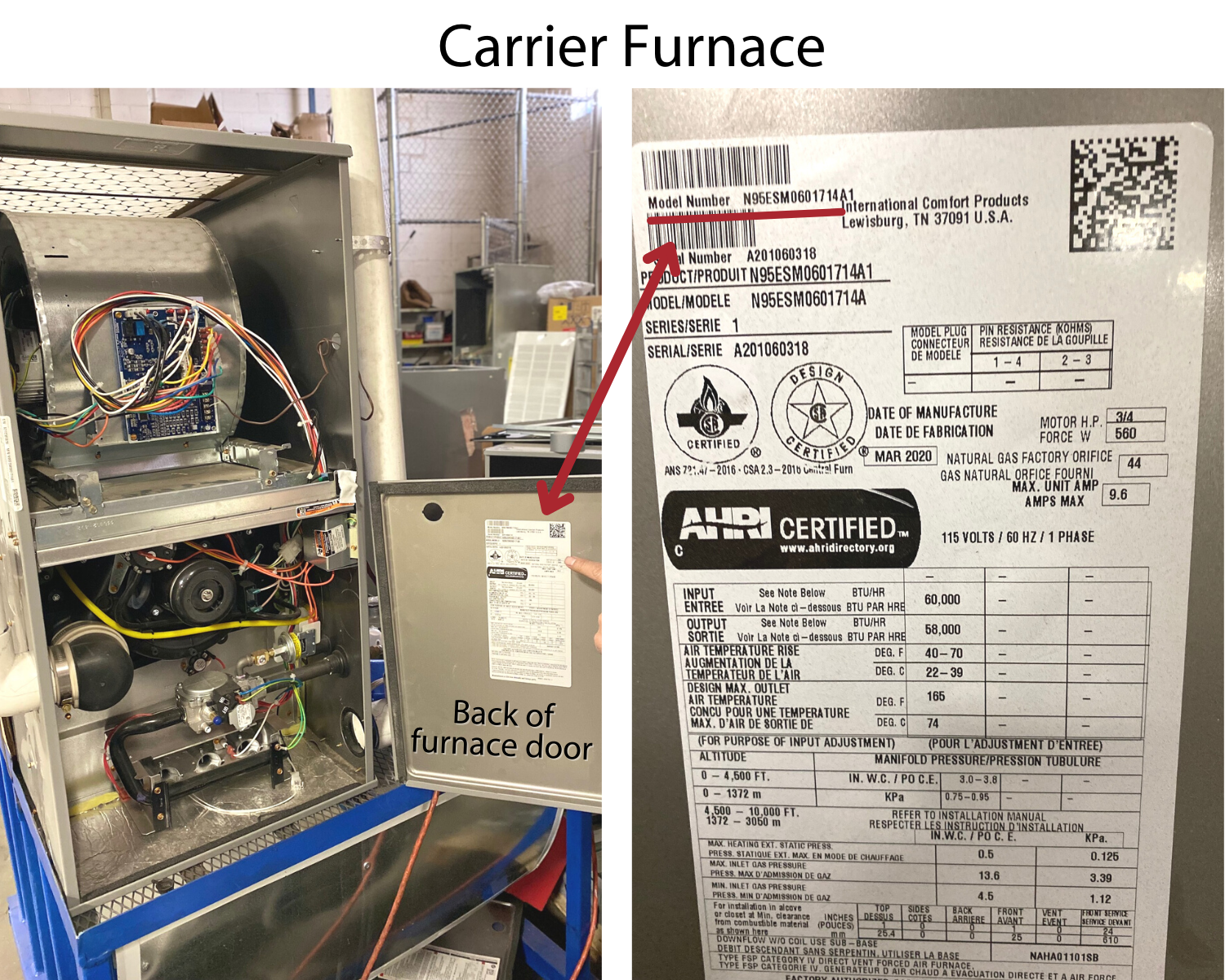
While touring the property, take photos of the model and serial numbers on:
• Furnace
• Air conditioner
• Water heater
• Boiler
• Major appliances
You can often determine equipment age online using the serial and model numbers. AI tools can also help identify manufacturing dates and known recalls.
Knowing whether the HVAC system is 2 years old or 20 years old can dramatically affect how you structure your offer and inspection strategy.
If a major system is nearing the end of its life expectancy, consider having a licensed specialist attend the inspection rather than relying solely on a general inspector.
6. Run the Comps
I'll say it again:
RUN THE COMPS.
This should happen before an offer is submitted.
A comparative market analysis helps determine whether the property is:
• Priced below market
• Priced at market
• Priced above market
Many buyers assume that if an appraisal comes in low, the seller must lower the price. That's not true.
The seller can refuse to reduce the price. While you may have contractual rights related to the appraisal, you'll still be responsible for any money you've already spent on inspections and appraisal fees.
7. Ask What the Seller Wants
Not every seller is focused solely on price.
Before writing an offer, ask the listing agent:
• Preferred closing date
• Need for a post-closing occupancy agreement
• Desired possession date
• Acceptance deadline preferences
Sometimes matching the seller's timeline can be worth more than offering additional money.
Understanding these preferences early can prevent unnecessary amendments and negotiations later.
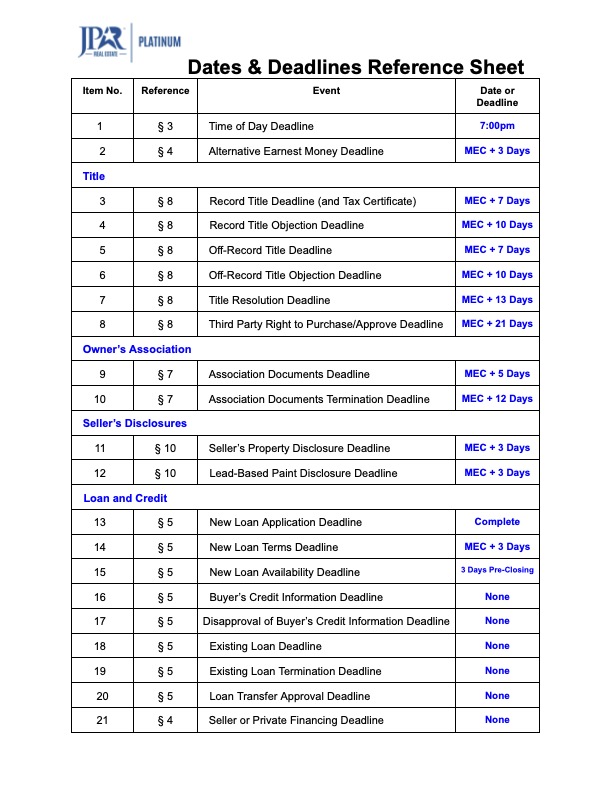
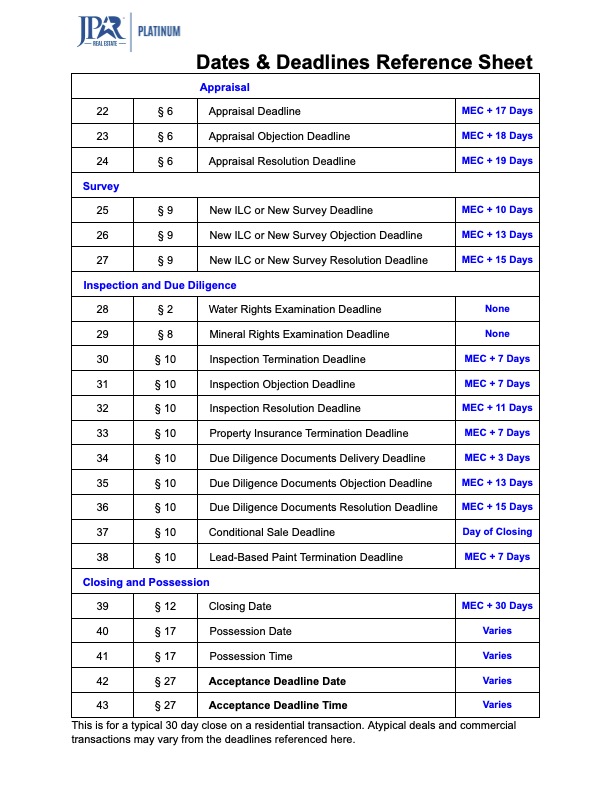
8. Double and Triple Check Every Contract Date
Contract deadlines matter.
Pay close attention to:
• Inspection objection deadline
• Inspection resolution deadline
• Appraisal deadline
• Loan objection deadline
• Closing date
Three days between inspection objection and resolution may sound reasonable until contractors need to visit the property.
Also consider your personal schedule. If you'll be traveling during the contract period, make sure deadlines don't fall when you'll be unavailable.
Review every number and date before signing. Agents are human. Software occasionally glitches. Mistakes happen.
Does this look right to you???

9. Get Multiple Pre-Approval Letters Prepared
Ask your lender to prepare approval letters for different purchase prices.
For example:
• $500,000
• $525,000
• $550,000
If the seller counters your offer, you'll be able to respond quickly rather than waiting on revised paperwork.
In competitive situations, speed matters.
10. Build a Strong Communication Strategy
Strong communication can absolutely help your offer stand out.
Ideally:
• Your agent contacts the listing agent before submitting.
• Your lender is available to verify your qualifications.
• Your agent confirms receipt of the offer.
• Your agent follows up before the acceptance deadline.
Many listing agents appreciate working with organized, responsive professionals because it reduces uncertainty for their sellers.
Good communication won't always win a bidding war, but it can absolutely influence how your offer is perceived when competing offers are similar.
Bonus: Review HOA Meeting Minutes and Financials
If you're buying a condo, townhome, or any property within an HOA, this may be the most important step on the entire list.
Many buyers review the HOA dues and move on. The real story is usually found in the HOA meeting minutes, reserve studies, financial statements, and insurance documents.
Before making an offer, ask for:
• The last 12 months of Board meeting minutes
• Current financial statements
• Reserve study and Condo Maintenance Responsibility Chart: Who Pays for What? (if available)
• Annual budget
• Insurance summary
• Information on any pending special assessments
These documents can reveal issues that may not appear anywhere in the listing, including:
• Upcoming special assessments
• Roof, siding, stairway, or parking lot projects
• Insurance challenges
• Water intrusion or structural concerns
• Ongoing litigation
• Reserve funding shortages
• Significant increases in HOA dues
As an HOA Board President, I've seen buyers discover major projects only after going under contract. By that point, they've already spent money on inspections and appraisals.
Here's something many buyers don't realize: HOA finances can directly impact your financing options. Some loan programs require communities to meet minimum reserve funding requirements. If the HOA's financials don't meet lender guidelines, buyers may need a larger down payment or may not qualify for certain loan products at all. One important caveat is that you may not be able to obtain the HOA documents before going under contract, especially in a highly competitive multiple-offer situation. However, if there isn't significant competition, it never hurts to ask the listing agent if they can provide the HOA financials, reserve study, budget, or other key documents upfront. Spending a few minutes reviewing those documents can save everyone time and help avoid going under contract only to discover the property doesn't meet your financing requirements.
Questions to Ask:
• Has the HOA had any special assessments in the last five years?
• Are any special assessments currently being discussed?
• What major projects are expected in the next three to five years?
• How much money is in reserves?
• Is the HOA increasing dues this year?
• Has the community filed any major insurance claims recently?
• Are there any ongoing legal disputes involving the HOA?
Remember: You're not just buying a home. You're also buying into the financial health and management of the community.
Final Thoughts
A smart buyer doesn't just find the right house... they perform the right due diligence before making an offer.
Spending an extra hour researching financing, permits, HOA documents, comparable sales, and seller preferences can save weeks of frustration and potentially thousands of dollars later.
The best offers aren't always the highest offers. They're the most informed offers.
Helpful Resources:

Morgan Russo
| Morgan Russo Realty | JPAR
or another way